





















5 Ways To Be More Productive

1. Plan Ahead
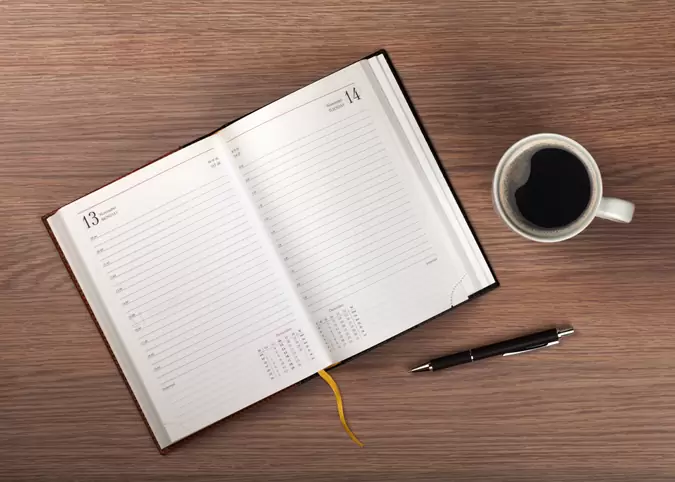
In order to get things done, it’s important to know what you have to do. Instead of wasting time every morning trying to remember where you left off the night before, or figuring out what’s important, prioritize in advance. Take fifteen minutes at the end of each day, before you leave for dinner, to write down the tasks, calls and meetings that need to get done. Then keep that list easily accessible. Whenever you lose focus, or wonder what you should be spending your time on, simply look to the list. That list becomes your road map to efficiency – if you’re doing something on the list, you’re getting things done. Do the same at the end of every week and month: take fifteen minutes and identify the larger tasks for the week or your professional goals for the month. You can always break these down into their component parts for your daily lists.
2. Prioritize
Once you have your to-do list written up, take a minute and reorganize the list so that it goes from most important to least important. Then, give the least important tasks a long hard look. Are there any you can get rid of? Maybe this means they don’t really have to get done, but maybe it means that they can be done by someone else – your secretary, intern, colleague, project teammate or a service provider. Delegating tasks is a fantastic way to increase your efficiency and productivity. When you know how to break down a task, you can empower others to contribute to the team effort while at the same time maximizing the fruits of everyone’s labor. Recognize what you’re good at and also what those around you are good at.
3. Work With Your Body, Not Against It
People often mistakenly feel that if they have a lot of work to do, they can’t afford to take a break. The truth is, you can’t afford not to. It’s been proven that working for focused amounts of time divided by short breaks can actually enhance your productivity. A social networking company surveyed their employees and found that the most productive people were taking a 17 minute break for every 52 minutes of work. This may not be your ideal divide – after all, you don’t want to force yourself to stop when you’re on a roll – but listen to your body and don’t be afraid to get up and walk around or go for coffee after you’ve crossed something off your to do list. Sometimes it’s even worth taking a break when you’re stuck on something. Your mind doesn’t shut off entirely just because you’re not “working” and it’s often in these relaxing moments that you’ll come up with your most creative solutions. Albert Einstein famously came up with his theory of relativity while riding his bike.
Additionally, match your to-do list to your body’s rhythms. Many people find that their brains are sharpest in the morning, so that’s the best time for them to do the number crunching, analysis or creative problem solving that they need to do. If you’re sharpest in the morning, save your phone calls, meetings, emails and mundane paperwork for the afternoon. Of course, if you’re slower in the mornings reverse it. The point is, use your body’s rhythms to help you maximize your productivity.
4. Use Deadlines To Your Advantage
Deadlines are most often associated with larger projects, but you can assign them to smaller tasks as well. Efficient people set aside a certain amount of time for each of their tasks and make sure to work in such a way that they stay on schedule.
One idea is to act like a lawyer for a week. Lawyers bill by the hour, so they’re rigorous about keeping track of time spent on projects. For one week, try logging the amount of time you spend on conversations and activities. Then spend the following week setting specific times for similar activities, based on what you learned. You can even work to reduce the times you allow for each task. You might be surprised by the time you gain. Also, remember not to think of deadlines as doom and gloom hanging over your head, but as challenges for you to overcome. Just make sure your deadlines are both ambitious and realistic. And if you work on a team, push your team to adhere to a schedule or timeline.
5. Organize: Space & Time
Time is important; there’s never enough of it. So don’t waste time looking for things or sorting through things. Keep your office, your desk, your gadgets, your hard drives and your day organized. Give everything a proper place. Put your keys on a tray when you come in, your coat on a hook, etc. Then when you need them, you’ll know exactly where they are. The same goes for papers and documents. Create a filing system in which everything has a proper place and you can put it there as soon as you’re done with it so that it will be easily accessible when you next need it. If an item is not something you use at least once a day, it doesn’t need to be taking up space on your desk. Electronic documents should be similarly well organized — in folders on your computer, cloud storage service, or other device. And, the same way you wouldn’t want a push pin in your jar of paper clips, don’t let personal business intrude on your work day. Set aside time on your lunch break to address those issues. Since you only have a limited amount of time, personal business won’t take over your day, and the rest of the day, you’ll be able to focus on work tasks without interruption.

Written by DSD Business Systems